PM Surya Ghar ✓
100% Free — No Obligation

Get Your Free Solar Quote

Our expert calls you back within 2 hours

🔒 Your information is 100% secure. No spam, ever.

Home Services On-Grid Solar
Grid-Connected Solar

On-Grid Solar System
— Pay Less, Earn More

Connect your solar system to the electricity grid. Use solar power during the day, export excess to the grid, and earn credits that reduce your bill to near zero. The smartest investment for urban homes and businesses.

3–4

Year Payback

₹78K

Max Subsidy

25

Yr Warranty

INVERTER GRID NET METER YOUR HOME Utility Grid Sunlight
What is On-Grid Solar?

Your Home Becomes a Mini Power Plant

An On-Grid (also called Grid-Tied) solar system is connected to your electricity utility's power grid. During the day, your solar panels generate DC electricity, which the inverter converts to AC and powers your home appliances first.

Any excess electricity is automatically exported to the grid. Your electricity meter records this export, and the DISCOM credits you for every unit sent back — this is called Net Metering. At the end of the month, you only pay for the net units consumed (imports minus exports).

When the grid is down, the system automatically shuts off (grid safety requirement). For backup power, consider a Hybrid System instead.

Best For:
Urban homes & apartments
Offices & commercial buildings
Schools & colleges
Factories & warehouses
Hospitals & hotels
Residential complexes
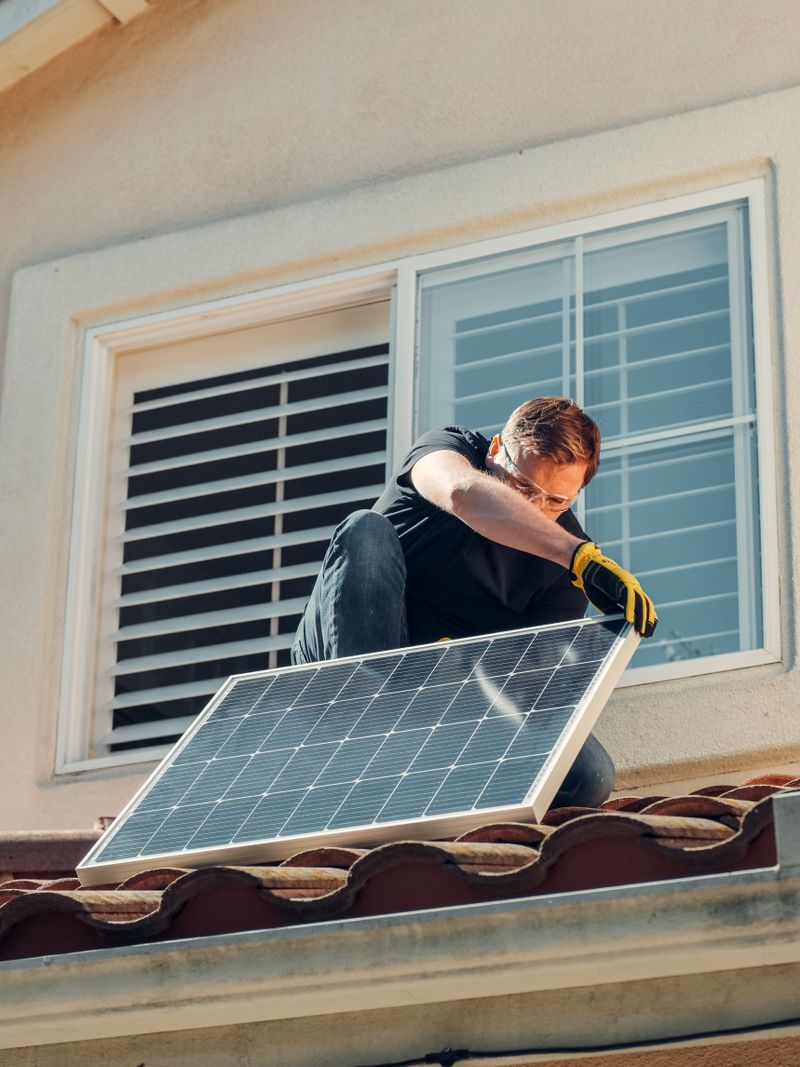
Professional solar panel installation on residential rooftop

How Net Metering Works

6 AM – 10 AM

Sunrise — Panels Begin Generating

Solar panels start generating electricity as the sun rises. Your home appliances run on free solar power.

10 AM – 4 PM

Peak Generation — Export to Grid

At peak sun hours, your panels produce more than you consume. Excess power flows to the grid — your meter runs backwards!

6 PM – 10 PM

Evening — Draw from Grid Using Credits

After sunset, you draw power from the grid as usual. But your exported units offset this — reducing or eliminating your bill.

Month End

Billing — Net Units × Tariff = Your Bill

DISCOM calculates: Units Imported − Units Exported = Net Units. You pay only for net units consumed. Excess credits carry forward!
Why On-Grid?

6 Reasons to Choose On-Grid Solar

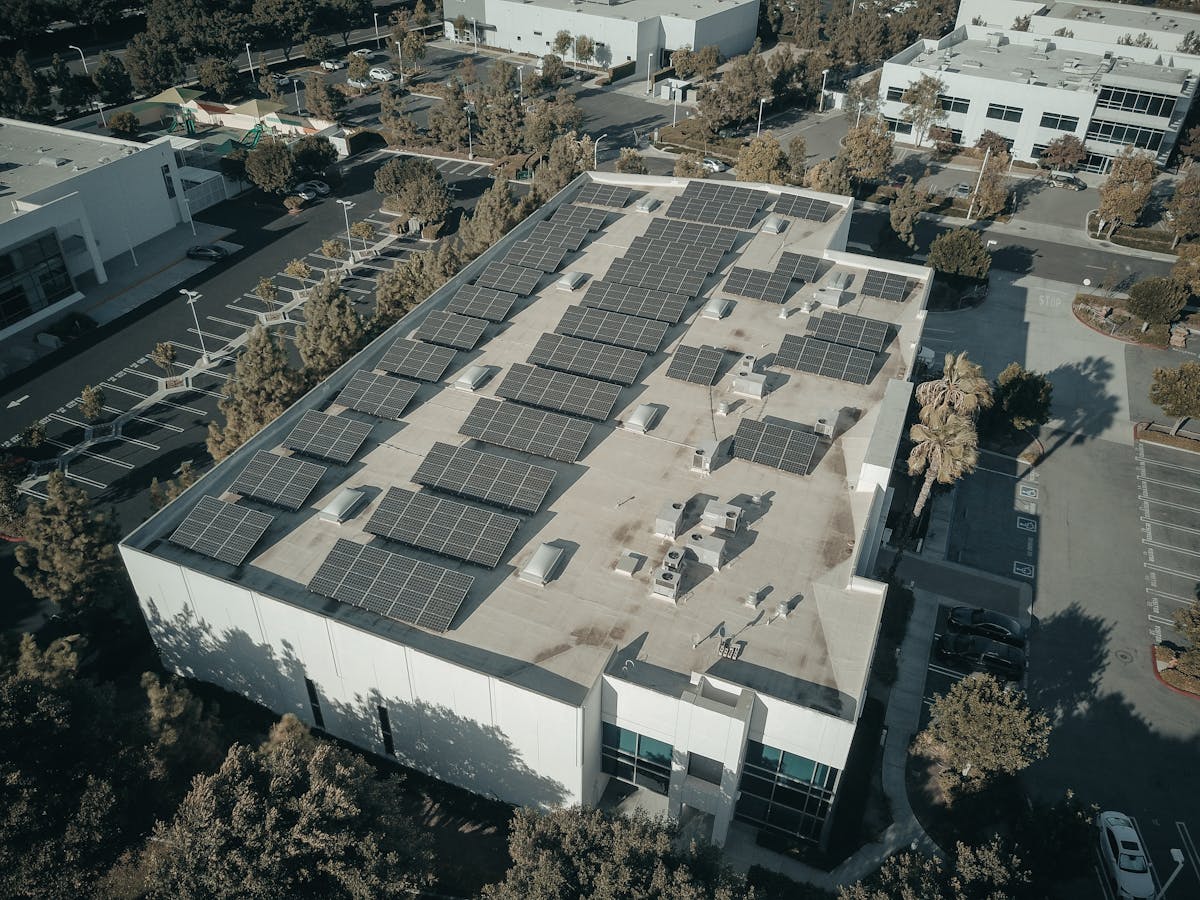
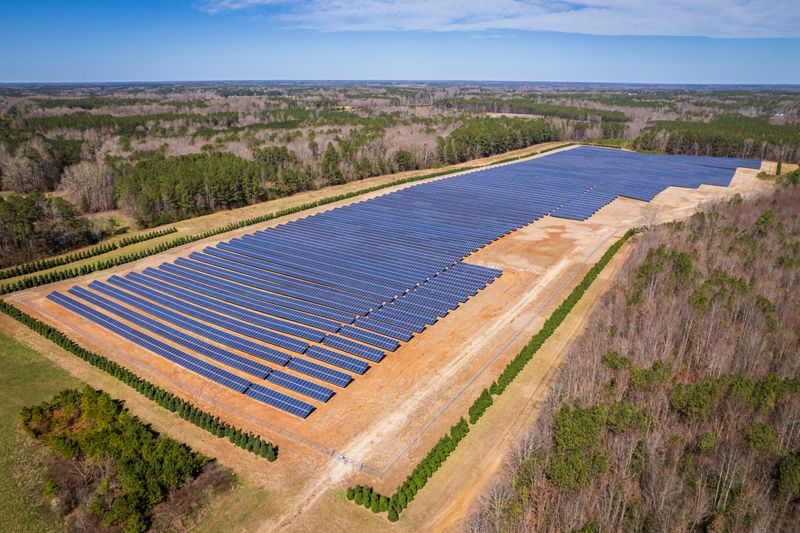
Aerial view of solar panels covering a large commercial rooftop — on-grid installation

Lowest System Cost

No batteries needed — the grid acts as your storage. On-Grid is the most affordable solar option, starting at ₹65,000/kW before subsidy.

Fastest Return on Investment

With grid export credits and zero electricity bills, most On-Grid systems pay back in just 3–4 years. Then enjoy free power for 20+ more years.

Net Metering — Earn Credits

Every excess unit you export earns you a credit at the full grid rate. Your DISCOM pays you back on your monthly electricity bill.

PM Surya Ghar Subsidy

Eligible for up to ₹78,000 direct subsidy from the Government of India under PM Surya Ghar Muft Bijli Yojana. We handle all paperwork.

Real-Time Monitoring App

Track live generation, daily savings, export units, and system health from your smartphone. Get alerts for any performance drop.

25-Year Performance Warranty

Tier-1 solar panels come with a 25-year linear performance guarantee. Inverters carry a 5–10 year manufacturer warranty. Built to last.

Government Scheme

PM Surya Ghar Muft Bijli Yojana

The Government of India provides direct bank subsidies for residential On-Grid solar installations under the PM Surya Ghar Yojana. The subsidy is credited directly to your bank account after system installation and DISCOM inspection.

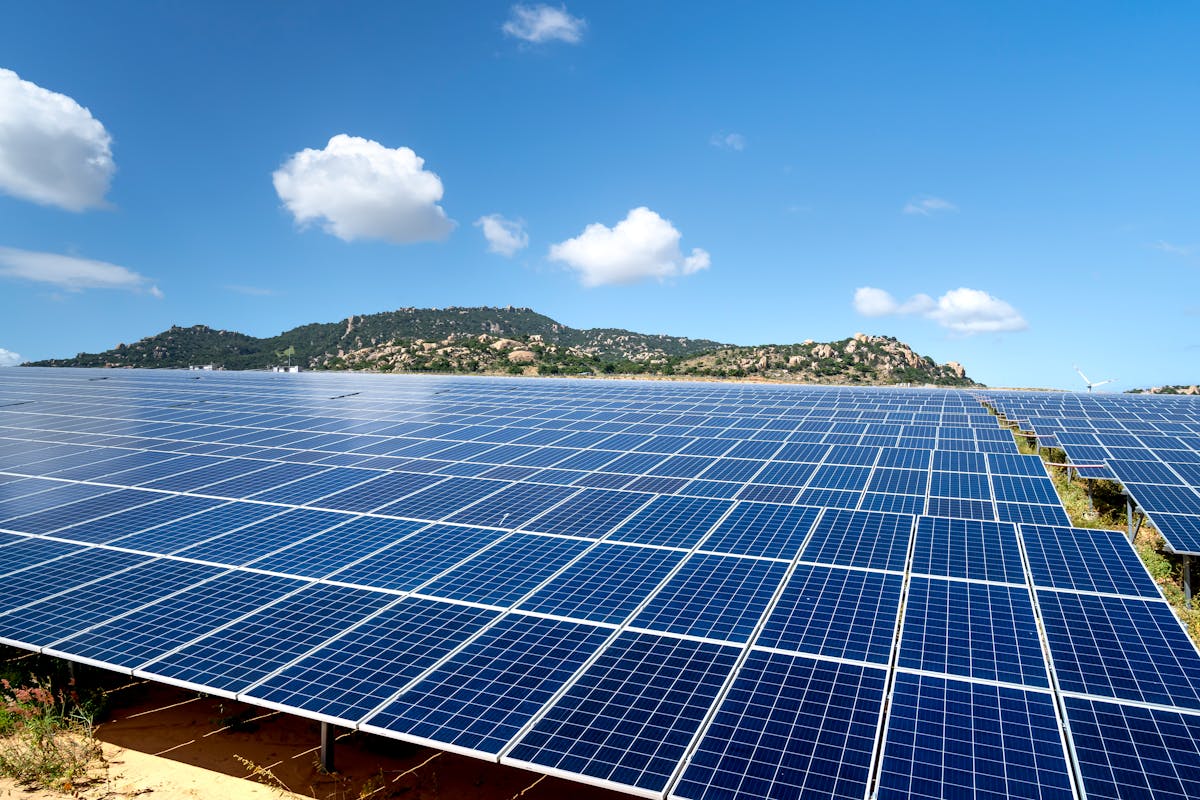
Solar panels installed under PM Surya Ghar government subsidy scheme in India

Subsidy Amount (2024–25)

Up to 2 kW

₹30,000 per kW

Up to ₹60,000

2 kW – 3 kW

₹18,000 per kW (additional)

Up to ₹78,000

Above 3 kW

No additional subsidy beyond 3 kW

Max ₹78,000

We Handle 100% of the Paperwork

Application, DISCOM approval, inspection coordination, subsidy claim — all done by our team. You just install and enjoy the savings.

Savings Estimate by System Size

1 kW System

Subsidy: ₹30,000

Total Cost

₹65,000

After Subsidy

₹35,000

Monthly Saving

₹800

2 kW System

Subsidy: ₹60,000

Total Cost

₹130,000

After Subsidy

₹70,000

Monthly Saving

₹1,600

3 kW System

Subsidy: ₹78,000

Total Cost

₹195,000

After Subsidy

₹117,000

Monthly Saving

₹2,400

5 kW System

Subsidy: ₹78,000

Total Cost

₹325,000

After Subsidy

₹247,000

Monthly Saving

₹4,000

10 kW System

Subsidy: ₹78,000

Total Cost

₹650,000

After Subsidy

₹572,000

Monthly Saving

₹8,000

* Estimates based on ₹8/unit tariff & 300+ sunny days. Actual savings vary.

Get My Exact Quote
Our Process

From Survey to Savings in 4 Steps

We handle everything — site visit, design, installation, DISCOM approvals, net metering, and subsidy claim. You just enjoy the savings.

Solar panel installation process — professional team installing rooftop solar system
01

Free Site Survey

Our engineer visits your site to assess roof area, shadow analysis, electrical load, and DISCOM requirements. 100% free — no obligation.

02

Custom System Design

We design the optimal system size, panel layout, inverter specs, and cable routing for your site. You get a detailed proposal with exact pricing and ROI.

03

Installation & Testing

MNRE-certified engineers install panels, inverter, and wiring in 1–3 days. Full commissioning and safety testing before handover.

04

Net Metering & Subsidy

We coordinate with your DISCOM for net meter installation and approval. We also file your PM Surya Ghar subsidy claim and follow up until it reaches your bank.

What's Included

Components of an On-Grid System

We use only Tier-1, BIS-certified components for maximum performance and longevity.

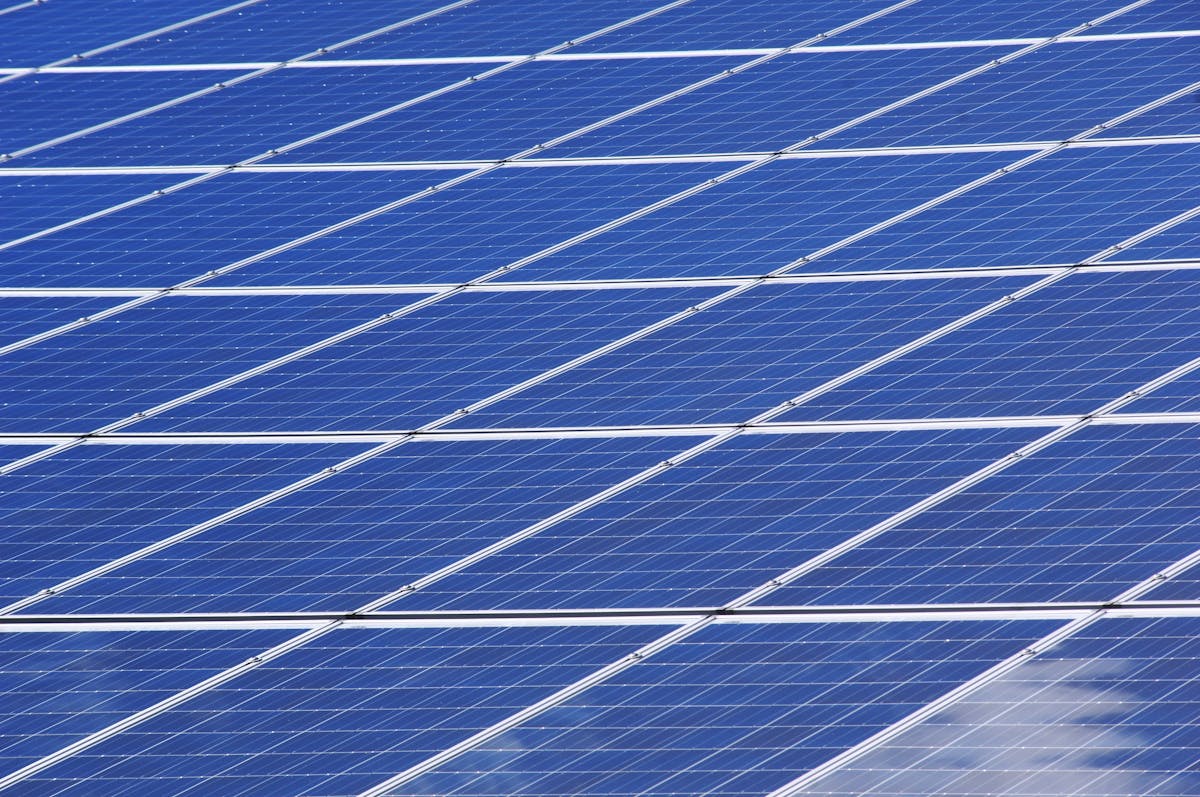
Close-up of monocrystalline solar panel cells — high-efficiency Tier-1 components
Core Component 25 Years

Solar Panels (Modules)

Monocrystalline PERC/TOPCon panels with 22%+ efficiency. Tier-1 brands: Waaree, Adani, REC, Longi. 25-year linear performance warranty.

Core Component 5–10 Years

Grid-Tie Inverter

Converts DC from panels to AC for home use and grid export. Single-phase (up to 5 kW) or three-phase. Brands: SolarEdge, Sungrow, Goodwe, Fronius.

Installed by DISCOM By DISCOM

Net Energy Meter

Bi-directional meter installed by your DISCOM to record import and export units separately. Required for net metering billing. Supplied and installed by DISCOM.

Structural 10 Years

Mounting Structure

Hot-dip galvanized / aluminum alloy roof mounting structure. Designed for wind speeds up to 150 km/h. Tilt angle optimized for your location.

Electrical 5 Years

DC & AC Wiring

UV-resistant DC cables (4 mm² / 6 mm²) with IP68 MC4 connectors. Copper AC cables, AC disconnect switch, and earthing as per IE rules.

Smart Monitoring 5 Years

Monitoring System

Wi-Fi/GPRS-enabled monitoring via mobile app. Track real-time generation, consumption, export, and historical data. Alerts for faults or performance drop.

Transparent Pricing

On-Grid Solar System Price List

All prices are fully installed (panels + inverter + mounting + wiring + net metering support). Prices include 18% GST.

System Size Approx. Area Needed Total Cost (Incl. GST) Subsidy (PM Surya Ghar) Cost After Subsidy Monthly Savings Payback Period
1 kW 65–70 sq.ft ₹65,000 ₹30,000 ₹35,000 ₹800/mo 3.6 yrs
2 kW 130–140 sq.ft ₹1,30,000 ₹60,000 ₹70,000 ₹1,600/mo 3.6 yrs
3 kW Most Popular 195–210 sq.ft ₹1,95,000 ₹78,000 ₹1,17,000 ₹2,400/mo 4 yrs
4 kW 260–280 sq.ft ₹2,60,000 ₹78,000 ₹1,82,000 ₹3,200/mo 4.7 yrs
5 kW 325–350 sq.ft ₹3,25,000 ₹78,000 ₹2,47,000 ₹4,000/mo 5.1 yrs
6 kW 390–420 sq.ft ₹3,90,000 ₹78,000 ₹3,12,000 ₹4,800/mo 5.4 yrs
8 kW 520–560 sq.ft ₹5,20,000 ₹78,000 ₹4,42,000 ₹6,400/mo 5.7 yrs
10 kW 650–700 sq.ft ₹6,50,000 ₹78,000 ₹5,72,000 ₹8,000/mo 5.9 yrs

Prices are indicative. Final quotes depend on site conditions, brand selection, and DISCOM area. Monthly savings estimated at ₹8/unit tariff with 5.5 peak sun hours/day. Subsidy subject to government scheme continuation.

FAQs

Frequently Asked Questions

Everything you need to know about On-Grid Solar.

What happens to my On-Grid system during a power cut?
On-Grid systems shut down automatically during grid outages — this is a safety requirement by CEIG rules (to protect DISCOM linemen). If you need backup power during cuts, consider a Hybrid Solar System which includes battery storage.
How does net metering work exactly?
A bi-directional meter is installed that measures units imported from the grid and units exported to it separately. At the end of the billing period, your DISCOM bill = (Units Imported − Units Exported) × Tariff. If exports exceed imports, the surplus carries forward as a credit to the next bill.
What is the PM Surya Ghar subsidy and am I eligible?
PM Surya Ghar Muft Bijli Yojana provides ₹30,000/kW for the first 2 kW and ₹18,000/kW for the 3rd kW — maximum ₹78,000. It is available to all residential consumers in India with a valid DISCOM connection. Housing societies can also apply collectively.
How long does the installation take?
After your site survey and design approval (1–3 days), physical installation takes 1–3 days for systems up to 10 kW. DISCOM net meter installation and approval can take 15–45 days depending on your utility. Total time from survey to getting live: approximately 30–60 days.
What maintenance does an On-Grid system require?
Very little. The main requirement is panel cleaning every 2–3 months (dry regions may need monthly cleaning). Panels lose up to 30% output when covered in dust. Other than that, the system is virtually maintenance-free. Our AMC plans cover cleaning and monitoring.
What if my roof does not have enough space?
A 1 kW system needs about 65–70 sq.ft of unshaded roof. We work with what you have — a smaller system still gives significant savings. We also offer ground-mount options and balcony/terrace installations where roof space is limited.
Can I get an On-Grid system on a rented property?
Yes, with the owner's written consent. The system increases property value and the owner may agree to share the savings. However, the subsidy is only available to the registered electricity consumer (name on the electricity bill).
Does solar work during cloudy or rainy weather?
Yes — solar panels work on diffused light too, producing 10–30% of peak output on overcast days. India averages 250–300 sunny days per year, making solar an excellent investment even in monsoon-heavy regions.

Ready to Start?

Get Your On-Grid Solar Quote Today

Free site survey · Custom system design · Subsidy assistance included · Zero obligation

Also explore: Hybrid Solar  ·  Off-Grid Solar  ·  Solar Pump

Get Quote on WhatsApp